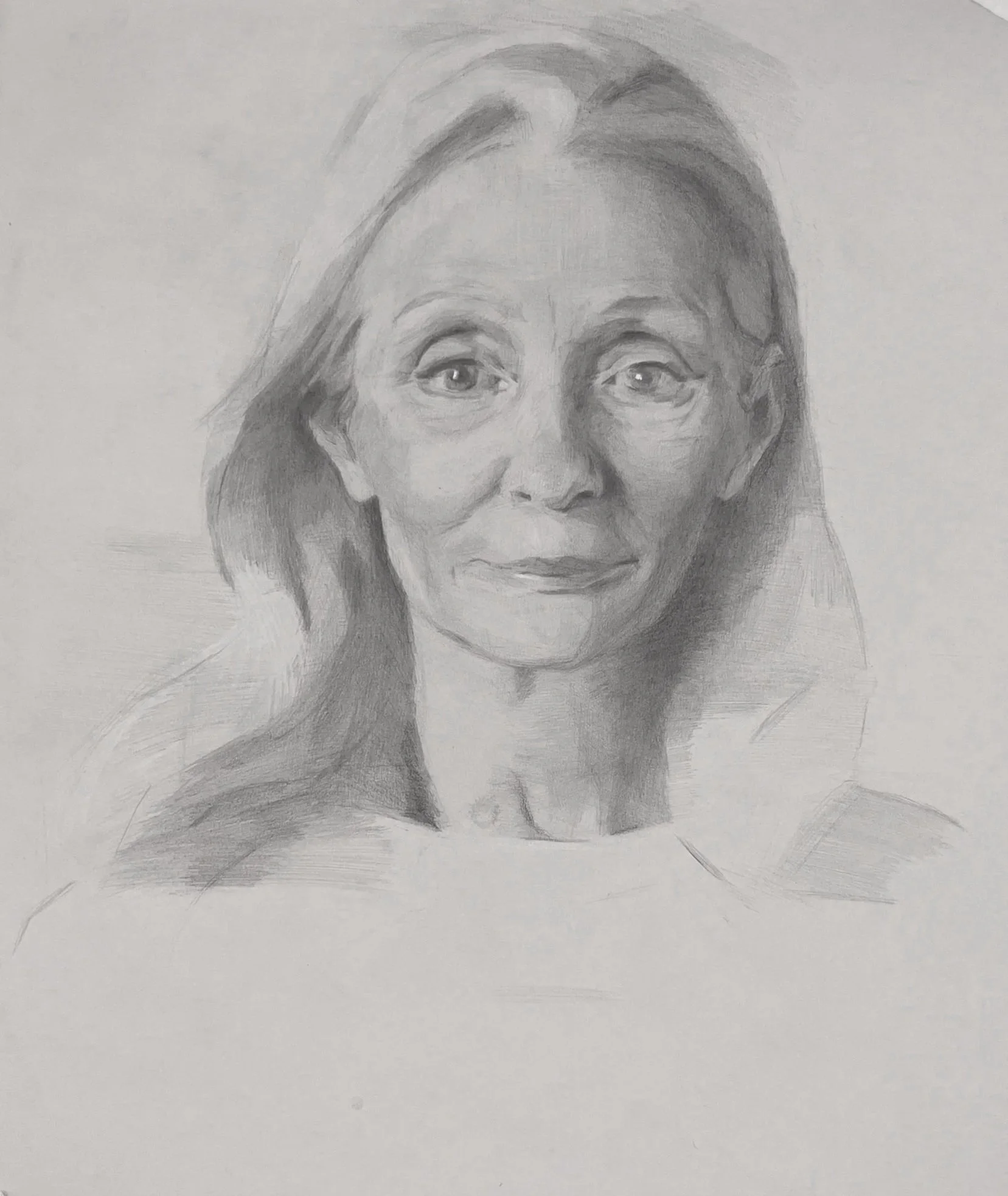
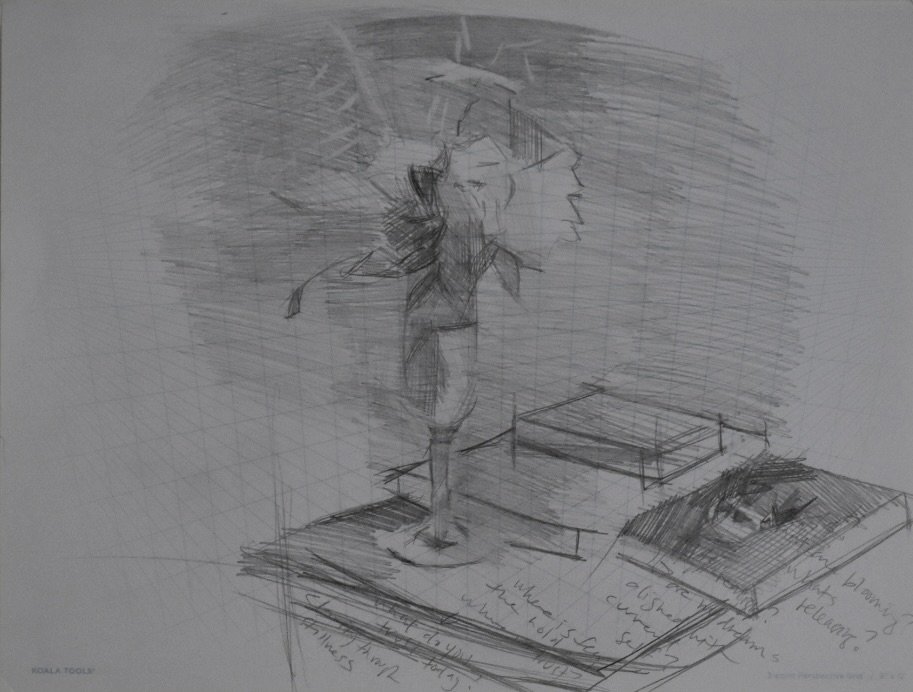
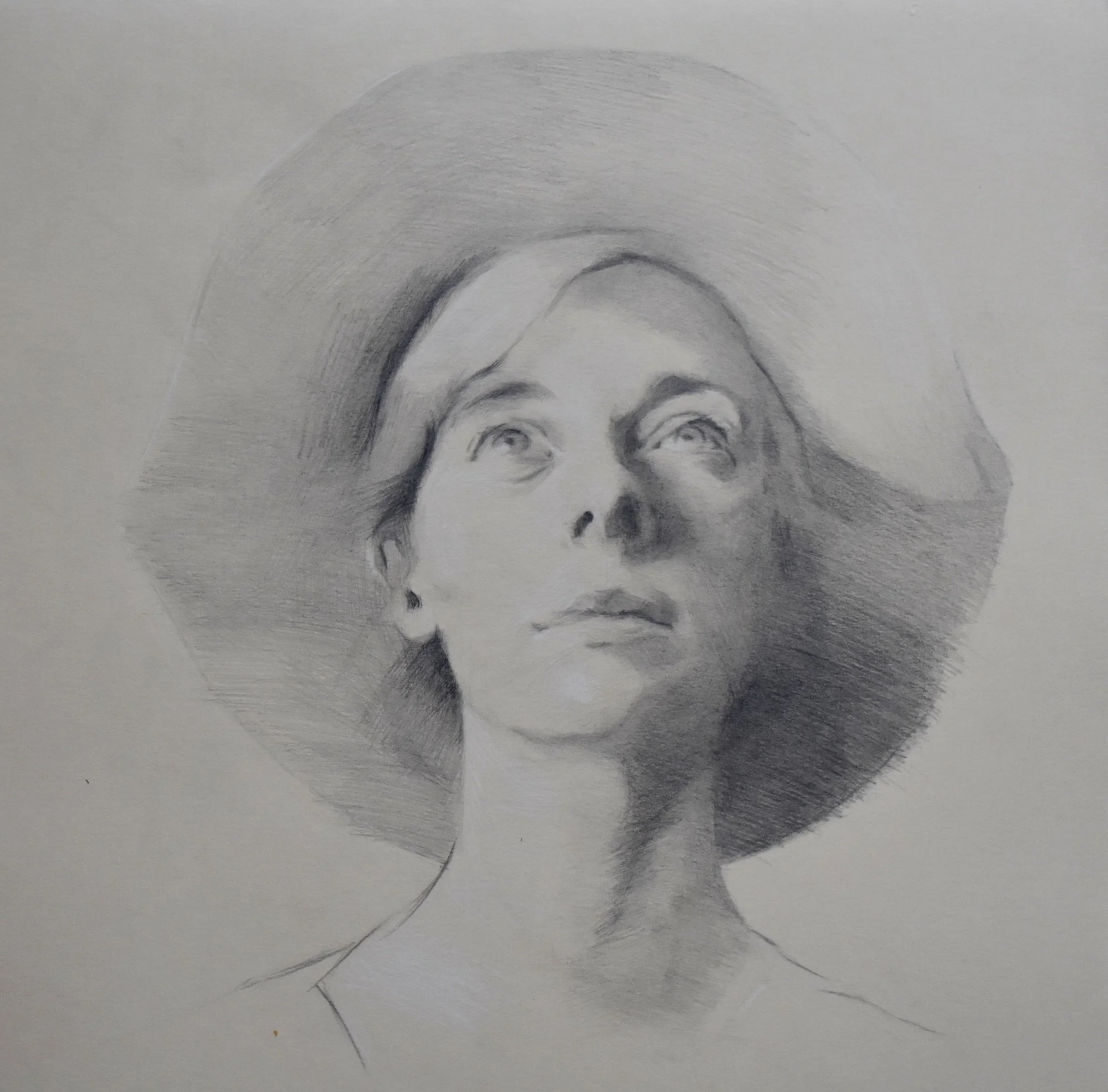
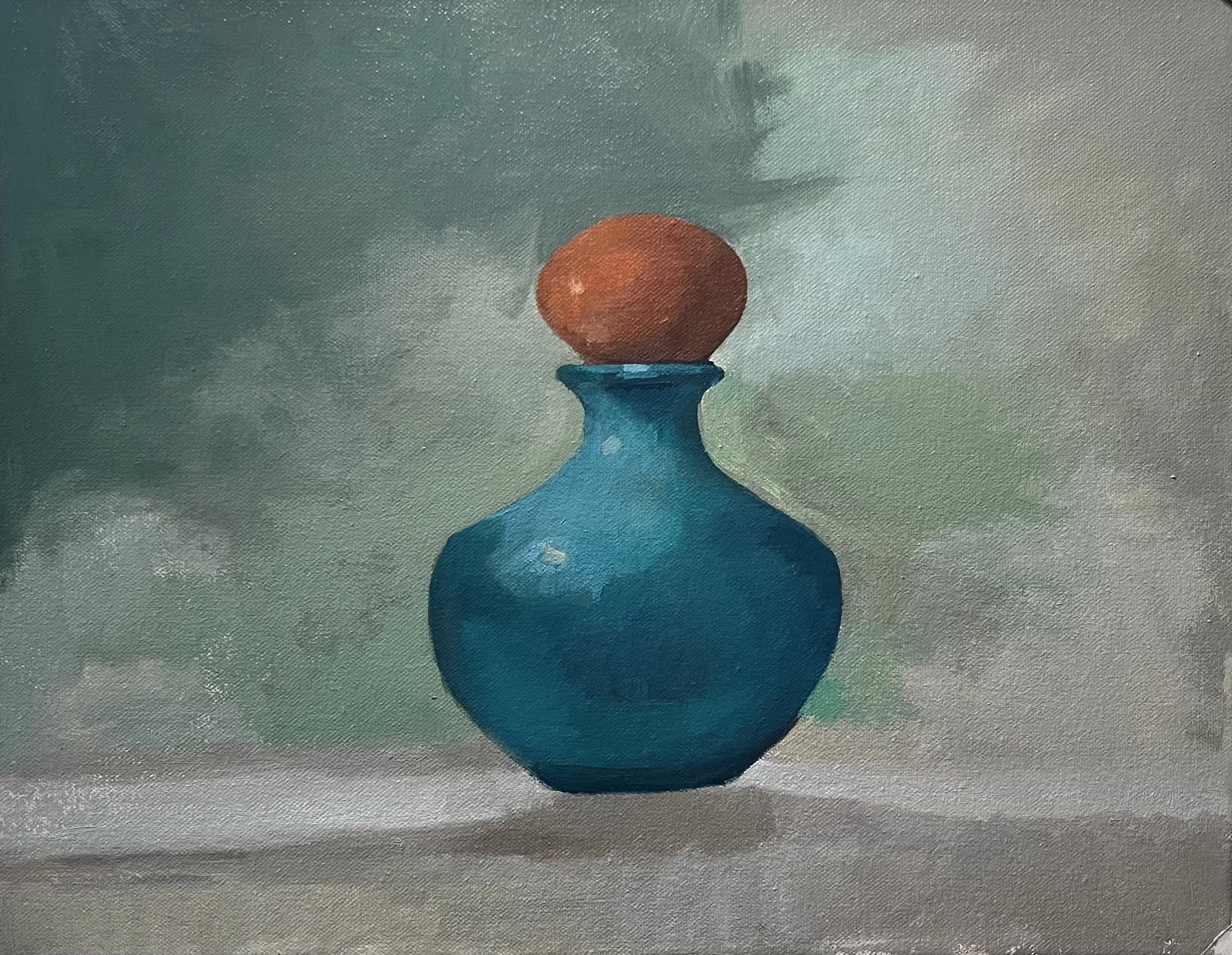
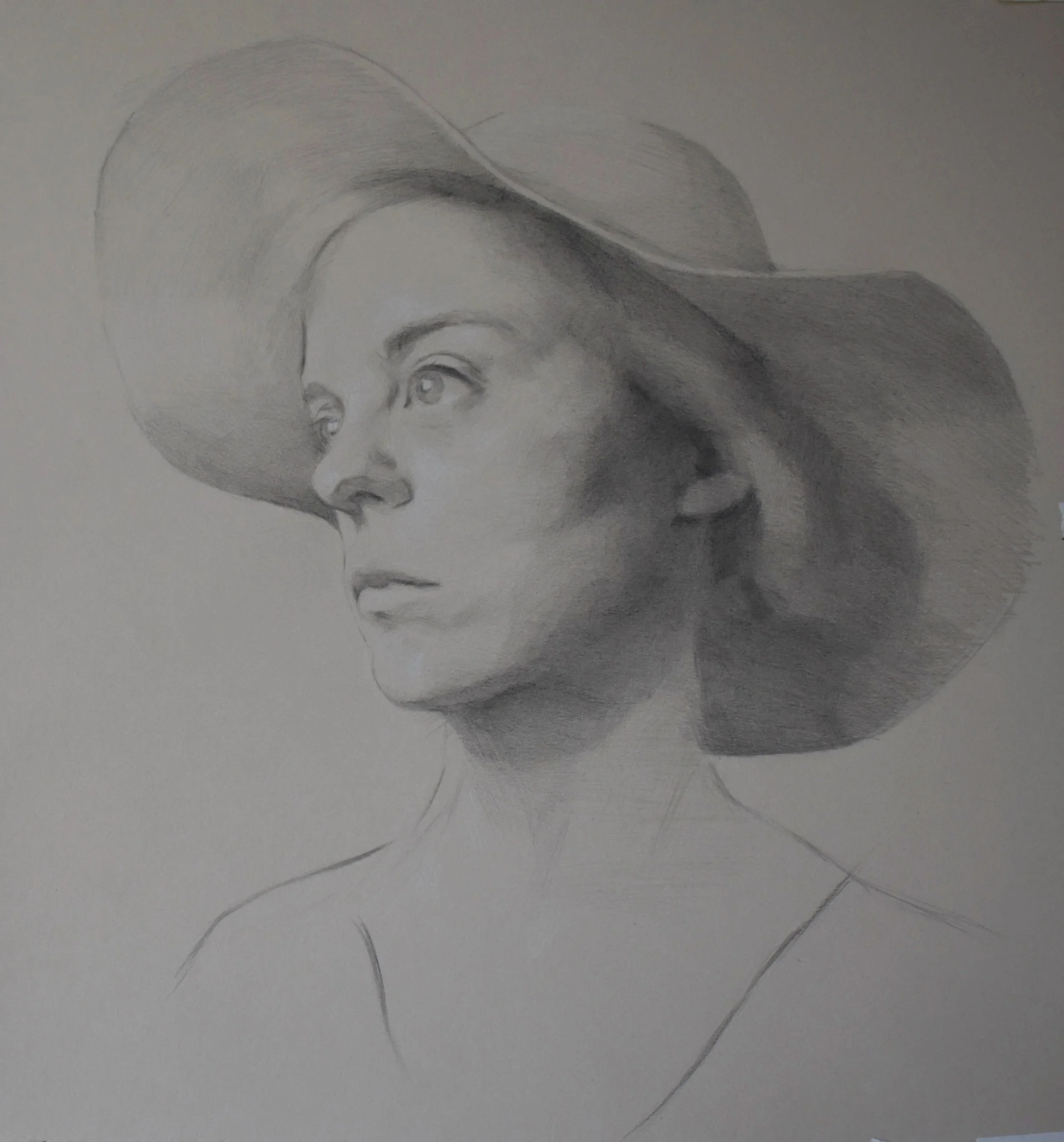
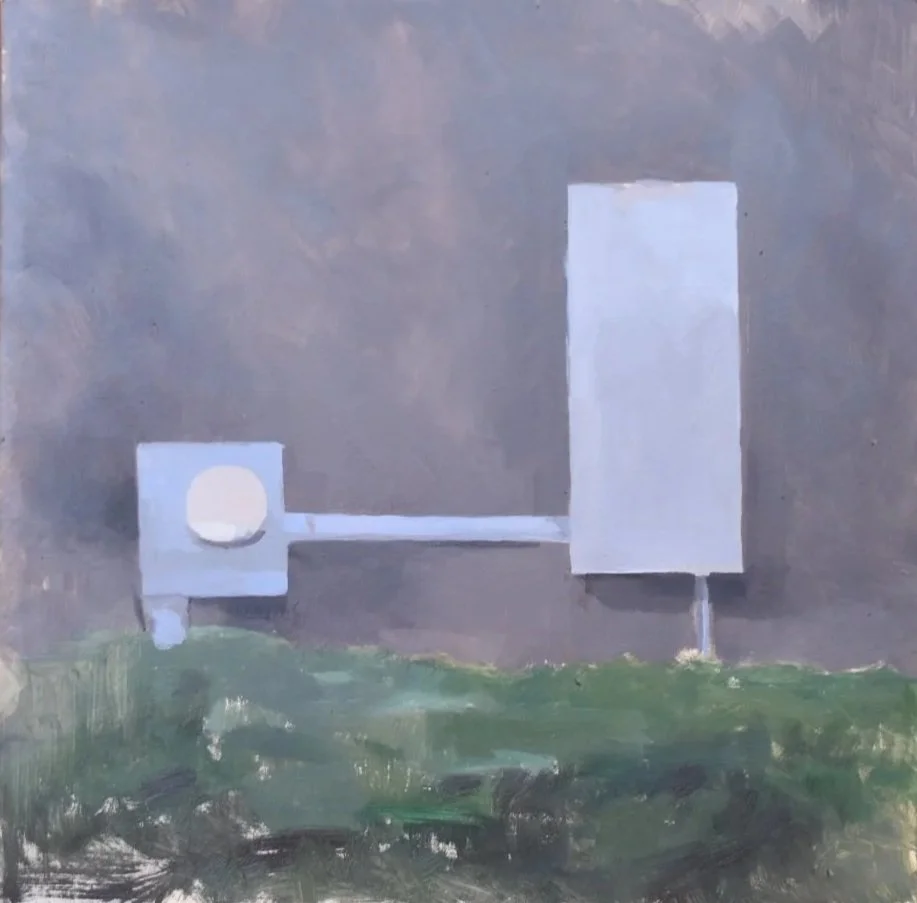
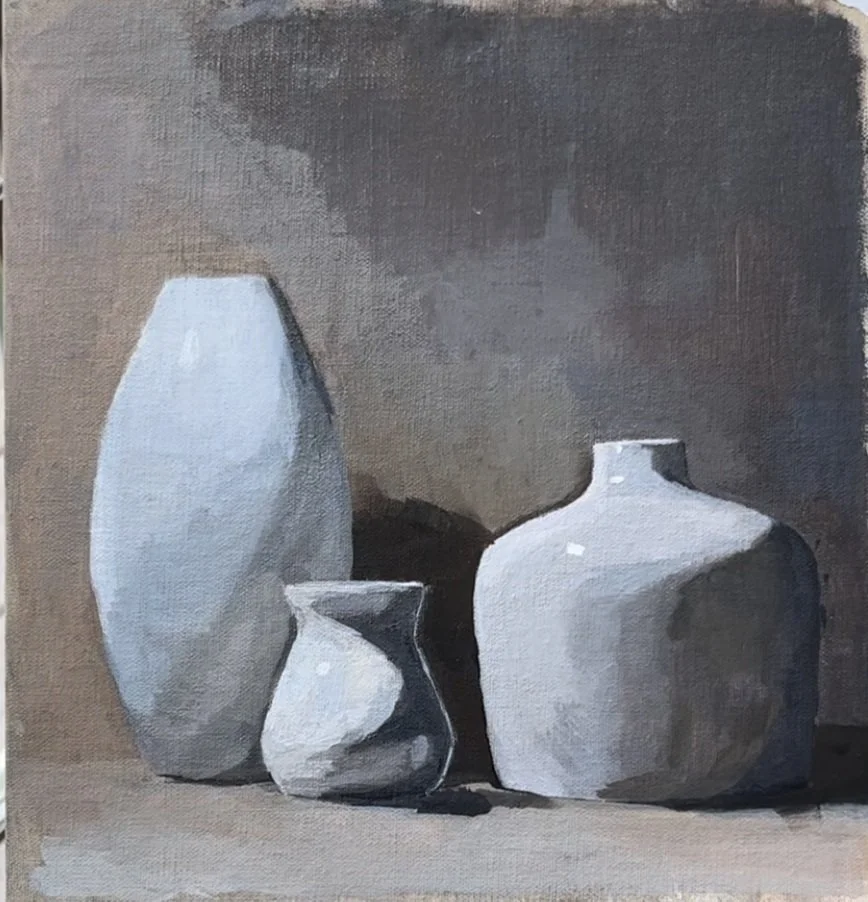
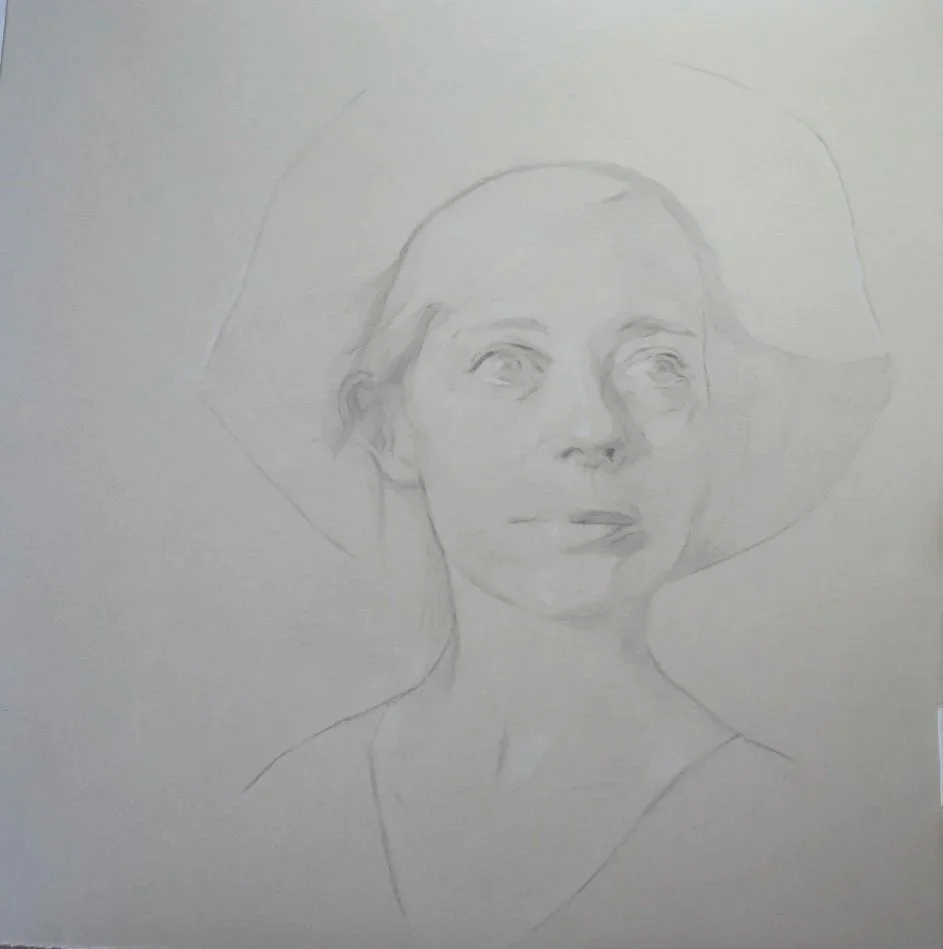
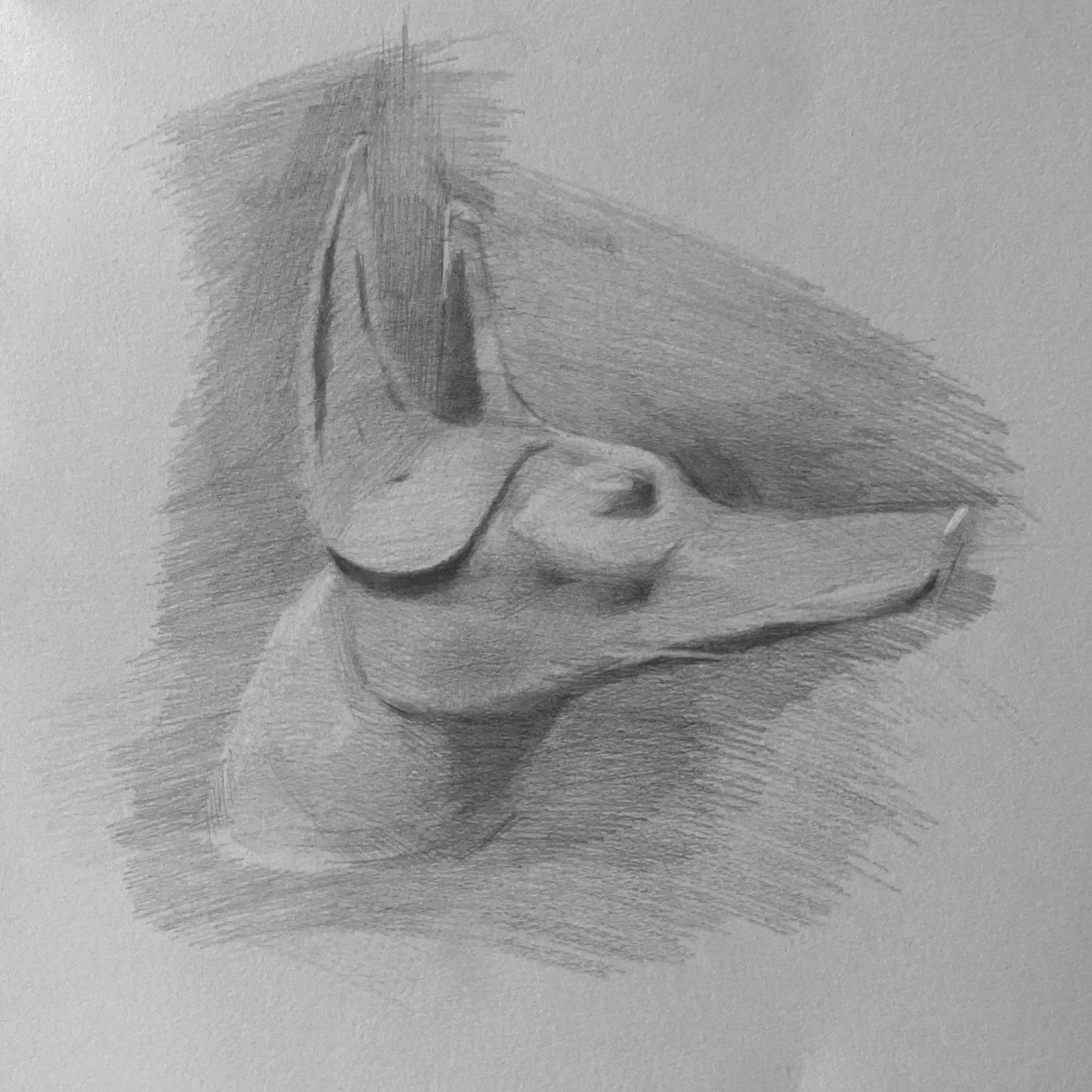
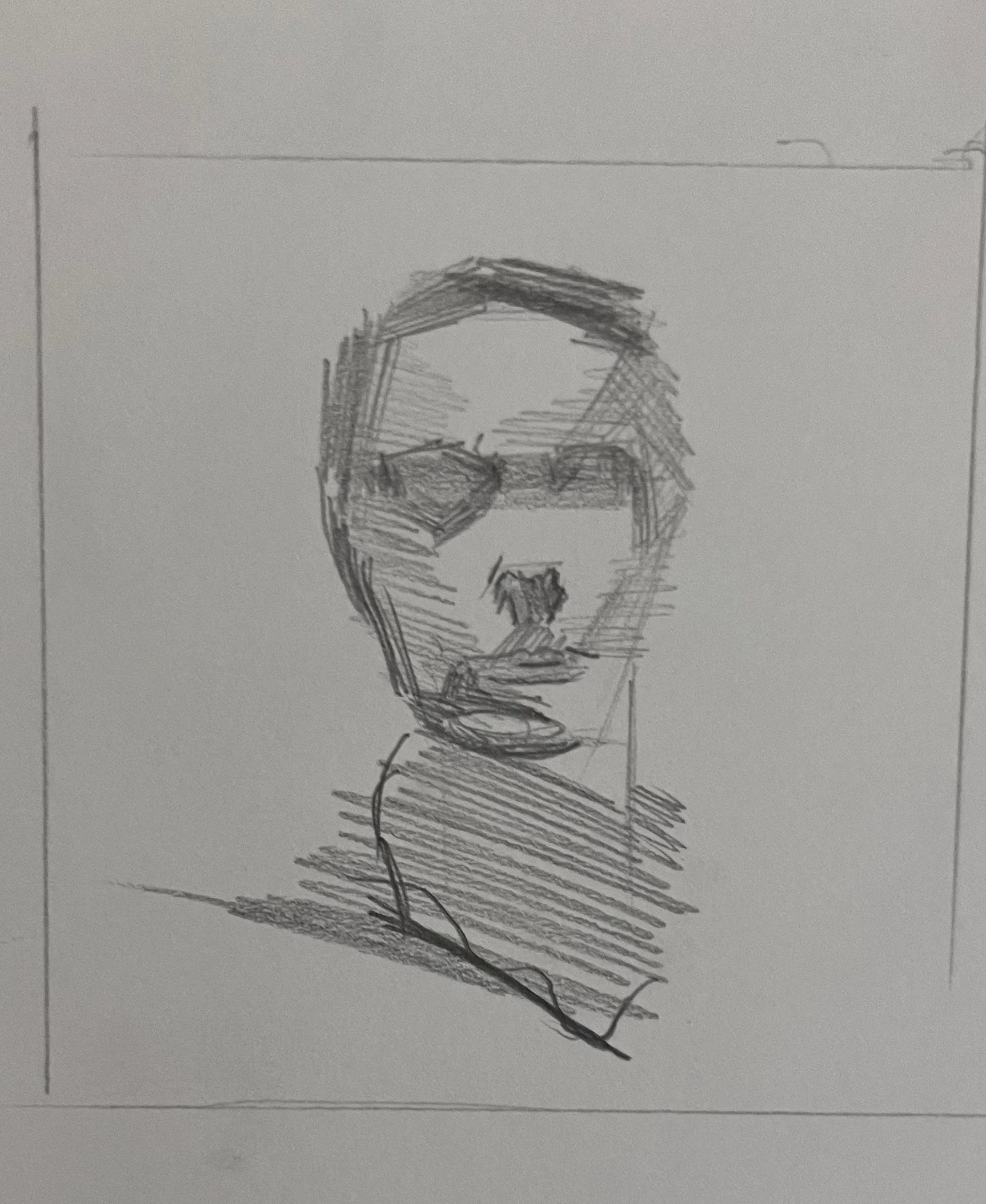
Laura Bohon is an American figurative artist working at the intersection of classical technique and embodied perception. Through drawing and painting, she creates what she calls "a tactile archaeology of presence"—works that translate the quiet accumulation of sensory experience into visual form.
Trained in both contemporary and classical traditions, Laura combines rigorous observational practice with somatic awareness. After studying contemporary painting and drawing at ETSU and UTC, where she focused on phenomenology and color theory according to Josef Albers, she completed the drawing year of the Florence Academy of Art certificate program in 2012. She returned to Florence for the academy's Master of Arts program (2023-2025), graduating as a merit scholar in 2025.
Her work has been shaped by a decade-long investigation into the body's intelligence. As a former movement therapy practitioner, she ran a studio in Seattle. Laura studied under kinesiologist Marie José Bloom-Lawrence, professional dancer Jennifer Gianni, neuropoetic coach Casey-Marie Herdt, and movement specialist Sydney Craig. This embodied training informs her artistic practice—not as a conceptual addition, but as a Renaissance inheritance, where observation and physical awareness converge.
Laura's paintings and drawings explore the threshold between inner and outer worlds, asking: What does awareness yield when we create from sustained attention? Working slowly, she allows each piece to become both record and witness of transformation—sensory, somatic, archetypal.
An associate member of Oil Painters of America, American Women Artists, and the College Arts Association of America, Laura continues to push her practice toward tangible, connective experiences with objects, spaces, and people. In her teaching and facilitation work, she brings playful curiosity to the creative process, emphasizing the expansive potential of slowness and the marvel of seeing.
Commissions
Creating contemporary portraits that honor classical techniques
Mentorships
Observe.Work. Process. Grow
Though teaching principles are part of Laura’s approach to learning, she blends those tools with intuitive and expressive forms to give the student their primary mode of operating with their tools.